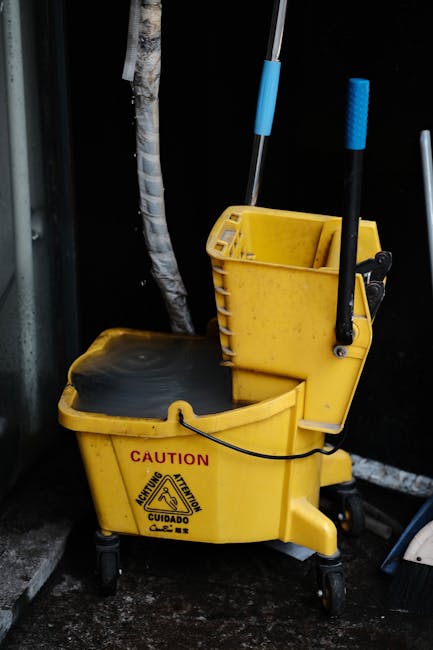
Emergency spill cleaning Hackney what to expect and cost

If you have had a sudden spill at home, in a shop, or in an office, the first few minutes matter. A knocked-over drink can turn into a stubborn stain, a burst bottle can soak into flooring, and the smell can linger far longer than you'd like. That is exactly why people search for Emergency spill cleaning Hackney what to expect and cost - they want a fast answer, a realistic idea of pricing, and a sense of what happens next.
In this guide, we break down the process in plain English. You'll learn what emergency spill cleaning usually includes, how pricing is worked out, what affects the final cost, and which mistakes can make a small mess much worse. We'll also cover when to call for professional help, what to do before the cleaner arrives, and how to judge whether a quote is fair. No fluff. Just the useful bits.
- Why it matters
- How it works
- Key benefits and practical advantages
- Who needs this service
- Step-by-step guidance
- Expert tips
- Common mistakes to avoid
- Tools, resources and recommendations
- Law, compliance and best practice
- Options and comparison table
- Case study
- Practical checklist
- Conclusion
- Frequently asked questions
Why Emergency spill cleaning Hackney what to expect and cost Matters
An emergency spill sounds small until you see the damage spreading. Liquids travel into grout lines, under skirting boards, into underlay, and sometimes into wall edges or joinery. In a flat, that can mean complaints from downstairs. In a business, it can mean interrupted trading, unhappy customers, or a floor that becomes slippery enough to be a real hazard. To be fair, it is one of those problems that looks simple from a distance and then gets annoyingly complicated up close.
What makes emergency spill cleaning different from a routine clean is the speed and the judgement involved. The cleaner has to identify the spill, the surface, the stain risk, and any safety issue, then decide what to do first. Water is not always the answer. Neither is scrubbing harder, despite what people tend to do when they panic at 8:15 on a Monday morning.
In Hackney, that urgency often comes with practical pressure too. Many properties are busy, tightly occupied, or used for mixed purposes. A spill in a hallway, reception area, rental flat, or shared communal space needs a quick response so the area can be used again safely. If the spill has also affected upholstery, rugs, or carpet, you may need a more detailed treatment rather than a simple wipe-down. That is where services such as stain removal, deep cleaning, or even steam carpet cleaning can become part of the solution.
Expert summary: the real value of emergency spill cleaning is not just making the mess disappear. It is stopping further spread, reducing staining, neutralising odour where needed, and helping the space become usable again without guesswork.
How Emergency spill cleaning Hackney what to expect and cost Works
The process usually starts with triage. That sounds technical, but it really just means the cleaner asks: what spilled, where did it go, and how urgent is the risk? A cleaner dealing with a coffee spill on a hard floor will approach it differently from someone handling red wine on a rug or a greasy liquid on carpet. Different spills behave differently. Some sit on the surface. Others sink in fast.
Most emergency visits follow a practical sequence:
- Initial assessment. The cleaner checks the material, size of the spill, stain risk, and any slip hazard.
- Containment. Spread is limited first, especially on porous surfaces.
- Targeted treatment. The right product and method are chosen for the specific spill.
- Extraction or wipe-down. Residue is removed, often using specialist tools.
- Neutralising and finishing. If there's smell, stickiness, or residue, this is addressed too.
- Drying guidance. You're usually told what to avoid while the area settles.
If the spill has affected fabric, upholstery, or rugs, the cleaner may advise more than one method. For example, a drink spill on a sofa might need upholstery cleaning, while a spill on a runner or decorative floor covering may need rug cleaning. If pets are involved, or the spill has left a strong smell, then pet stain odour removal or specialist deodorising may be needed, even if the source was not actually a pet. Smells can be sneaky like that.
On a practical level, you should expect a short conversation about the spill, a look at the affected area, and a recommendation based on urgency rather than a one-size-fits-all pitch. If you are given a price before any inspection, it should be framed as an estimate, not a promise carved into stone.
Key Benefits and Practical Advantages
Emergency spill cleaning is about more than visual tidiness. Done properly, it reduces the knock-on problems that often cost more later.
- Stops the damage spreading. Quick action can prevent deeper staining, odour absorption, and water marking.
- Reduces replacement costs. Cleaning a carpet or floor properly is usually far cheaper than replacing it.
- Improves safety. Wet or sticky patches are slip risks, especially in offices, stairwells, shops, and communal areas.
- Protects the appearance of the property. This matters for landlords, tenants, business owners, and hosts alike.
- Saves time. A professional can usually assess and treat the issue much faster than a DIY attempt gone sideways.
There is also a confidence benefit. When a cleaner turns up with the right tools and a calm approach, it takes the edge off the whole thing. You can get back to running the day instead of worrying whether the stain is now permanent. That peace of mind is worth something, honestly.
For larger properties or shared buildings, it can also make sense to combine spill response with broader upkeep. Pages such as communal area cleaning, office cleaning, or commercial cleaning may be relevant if the spill happened in a managed environment rather than a private home.
Who This Is For and When It Makes Sense
This service is useful for anyone facing a spill that is urgent, sticky, smelly, or likely to stain. The most obvious cases are homes and flats, but the real demand often comes from places where downtime costs money or causes friction.
- Homeowners and tenants dealing with spills on carpets, rugs, sofas, or hard flooring.
- Landlords and letting agents who need a property cleaned quickly before check-in, inspection, or inventory work.
- Office managers handling coffee, food, or drink spills in shared spaces.
- Shop owners and hospitality operators who need a fast response to protect customer experience and avoid hazards.
- Airbnb hosts dealing with last-minute guest accidents before the next booking. Sometimes it's a tiny incident, sometimes it is... not tiny at all.
It also makes sense if you've already tried to clean the spill and it still looks worse than before. That happens more often than people admit. One wrong cloth, the wrong chemical, or too much water can set a stain deeper into the fibres. If that is where you are, a professional can often recover more than you think.
For move-related situations, the spill may be part of a bigger clean. In those cases, something like end of tenancy cleaning, move out cleaning, or move in cleaning may be the better fit, especially if you need the whole property ready rather than one area treated.
Step-by-Step Guidance
If you are dealing with a spill right now, this is the simplest way to handle it without making life harder than necessary.
- Keep people away from the spill. If the surface is wet or sticky, stop foot traffic immediately.
- Identify what was spilled. Food, drink, oil, cleaning fluid, paint, bodily fluids, and cosmetic products all need different handling.
- Blot, don't grind. Use absorbent cloths or paper to lift liquid rather than rubbing it deeper in.
- Avoid random chemicals. Mixing household products can make stains worse and can create fumes. Not ideal, to put it mildly.
- Take a quick photo. This helps if you need a quote or need to explain the issue to a landlord or manager.
- Call for help if the spill is porous, greasy, odorous, or large. That's usually the point where DIY stops being efficient.
- Follow drying instructions. Once cleaned, leave the area alone unless told otherwise.
If the spill has reached curtains, furniture, or a mattress, do not keep dabbing forever. Fabric can hold liquid in its backing and foam layers, which means the visible stain is only part of the issue. In those cases, curtain cleaning or mattress cleaning may be worth discussing rather than treating the surface only.
A useful rule of thumb: if the spill is spreading, smells stronger over time, or has hit a porous material, treat it as time-sensitive. That's the difference between a manageable job and an annoying one.
Expert Tips for Better Results
Here are the small details that often make a big difference in spill response.
- Act fast, but calmly. Speed matters, panic doesn't help.
- Tell the cleaner exactly what spilled. "A drink" is less helpful than "dark coffee with milk" or "cooking oil".
- Mention anything you've already used. A wrong product can change the fabric or floor surface and affect the treatment choice.
- Check hidden spread. Look under furniture edges, around skirting boards, and beneath rugs.
- Ask about drying time before the work starts. It helps you plan the rest of the day.
- Get clarity on aftercare. Some stains look lighter straight away and then reappear as fibres dry. Annoying, yes, but common.
In our experience, customers get the best results when they are honest about the size of the issue. A spill that seems minor can become a bigger job if the underlay, grout, or seam is affected. Better to say "I'm not fully sure how far it went" than understate it and end up surprised by the scope.
Another small tip: if the property has regular wear and tear, ask whether it makes sense to bundle the spill with a broader treatment such as one off cleaning or regular cleaning. It can be more efficient than fixing one problem and ignoring the rest of the room.
Common Mistakes to Avoid
A lot of emergency spill damage comes from good intentions and bad timing. The most common mistakes are easy to make, which is why it helps to know them in advance.
- Rubbing the spill aggressively. This pushes material deeper and can damage the fibres.
- Soaking the area with water. Too much moisture can spread the stain and create a drying problem.
- Using several cleaners one after another. That can cause chemical reactions or leave residue behind.
- Waiting too long to act. Even a few hours can matter with certain spills.
- Ignoring the smell. Odour often means residue remains even if the surface looks fine.
- Assuming every surface can be treated the same way. Carpet, vinyl, stone, timber, laminate, fabric, and upholstery all behave differently.
One especially common mistake in Hackney flats and older properties is assuming a hard floor can simply be mopped and forgotten. If liquid has entered joins or edges, the visible top may look clean while moisture sits underneath. That can leave a dull patch or cause further issues later. Not dramatic, just annoying. Still annoying though.
If there has been any risk of bodily fluids, unknown chemicals, or strong contamination, professional handling is the sensible route. It is not worth improvising in those situations.
Tools, Resources and Recommendations
Professional spill cleaning usually relies on the right combination of inspection, absorption, extraction, and finishing products. The exact kit depends on the surface, but the typical essentials include:
- microfibre cloths and absorbent pads
- appropriate spot-treatment solutions
- wet extraction or rinsing equipment where suitable
- protective gloves and basic safety gear
- odour treatment or neutralising products when required
- drying aids and airflow guidance
For customers, the best "resource" is often simply preparation. Clear access to the affected area. Move fragile items if safe. Tell the cleaner what the floor or upholstery is made of. If the spill happened in a room already affected by dust, renovation residue, or heavy use, it may be sensible to talk about after builders cleaning as part of the wider plan.
If you need a clearer idea of scope, timing, and pricing before anyone visits, the most relevant starting point is pricing and quotes. That helps set expectations without guessing. For payment and security questions, payment and security is also worth checking so you know how the service handles transactions.
Law, Compliance, Standards, or Best Practice
For emergency spill cleaning, the compliance angle is mostly about safety, duty of care, and sensible working practice rather than anything overly formal for the customer. In workplaces and communal areas, spills can create a slip hazard, so prompt isolation of the area is a basic best practice. In rented homes and managed properties, there may also be obligations around keeping the premises reasonably safe and clean for occupants or visitors.
Good cleaning providers should also be covered by appropriate insurance and should follow sensible health and safety procedures. If a spill involves contamination, sharp debris, or an unknown liquid, the cleaner should treat it carefully and avoid rushing in blind. That's where a provider's insurance and safety approach matters. It is not a glamorous detail, but it is the sort of thing you're glad exists when it's needed.
If you are choosing a company, look for straightforward communication, transparent pricing, and a clear complaints route if anything goes wrong. Those are basic trust signals. You can review the company's terms and conditions alongside its complaints procedure and health and safety policy. That is the boring-but-smart part, and boring can be useful.
Options, Methods, or Comparison Table
Different spills need different solutions. Here is a simple comparison to help you understand what you might be paying for and why the approach changes.
| Method | Best for | Typical outcome | Cost influence |
|---|---|---|---|
| Basic spot cleaning | Small fresh spills on hard surfaces or light surface marks | Fast removal if caught early | Usually the lowest-cost option |
| Targeted stain treatment | Drink stains, food marks, ink, makeup, light oil residue | Improved stain reduction with specialist products | Depends on product type and time on site |
| Deep extraction cleaning | Carpet, rug, or upholstery spills that have soaked in | Removes deeper residue and helps with drying | Higher than spot cleaning because of equipment and labour |
| Odour treatment | Spills with lingering smell, dampness, or pet-related contamination | Odour reduction or neutralisation | Extra cost if specialist deodorising is needed |
| Full room or property cleaning | Larger incidents, multiple affected areas, post-party or end-of-tenancy problems | More consistent finish across the space | Higher total cost, but often better value overall |
As for cost, it is usually shaped by a few things: the size of the spill, the surface affected, the urgency, whether odour treatment is needed, how far the spill spread, and whether the cleaner needs specialist equipment. A tiny spill on a tile floor is one thing. A greasy spill soaked into carpet under a radiator is another.
That is why asking for a quote based on the actual situation matters more than trying to force a generic price onto it. If you want a better steer before booking, the page on pricing and quotes is the most relevant place to start.
Case Study or Real-World Example
Picture a small Hackney office on a wet Tuesday morning. Someone carries in coffee, the cup tips, and the liquid runs across a carpeted meeting area before anyone notices. By the time the team gets towels down, the top of the stain has already darkened and the room smells faintly burnt-sweet from the coffee and milk mix. Nothing dramatic. Still, it's enough to ruin the morning if left alone.
In a case like that, the first step is to limit foot traffic and blot the area properly. A professional would then assess whether the spill sat mostly on the surface or reached the pile and underlay. If the stain is fresh, a targeted treatment may be enough. If the carpet has retained the smell, more thorough extraction is usually advised. In a shared workplace, this might be combined with commercial cleaning or office cleaning if the event exposed other areas that need attention too.
The main lesson? Speed helps, but the right method helps more. A fast wrong clean can take more time to fix than the original spill took to happen. Bit unfair, really, but there it is.
Practical Checklist
Use this checklist if you are preparing for an emergency spill visit or deciding whether to call one in.
- Confirm what was spilled, if known.
- Note the exact surface affected: carpet, rug, upholstery, hardwood, laminate, stone, tile, or vinyl.
- Check whether the spill has spread under furniture or into edges and seams.
- Keep people away from any slippery area.
- Blot gently rather than rubbing.
- Avoid applying multiple cleaners.
- Take photos for reference.
- Ask whether odour treatment is needed.
- Request a clear estimate before work starts.
- Check what drying time to expect afterwards.
- Review the provider's policies if you want extra reassurance on service standards.
If the spill is in a home and the rest of the place is getting a bit out of hand, you might also consider whether a broader reset would help. Services like house cleaning, domestic cleaning, or one off cleaning can make more sense than tackling the same room repeatedly.
Get a free quote today and see how much you can save.
Conclusion
Emergency spill cleaning in Hackney is usually about getting control of a problem quickly, safely, and with as little disruption as possible. What you should expect is a short assessment, a targeted cleaning method, and a price shaped by the spill itself rather than a fixed guess. What you should not expect is a magic one-size-fits-all answer, because spills are messy, varied, and occasionally rude.
If you act quickly, explain the situation clearly, and choose the right method for the surface, you give yourself the best chance of a clean finish and a fair cost. And if the spill turns out to be bigger than it first looked, that is not unusual. It just means the job needed a bit more care. That happens.
When the mess is stressful, a steady professional approach can make the whole thing feel lighter. That alone is often worth the call.
Frequently Asked Questions
What counts as an emergency spill cleaning job?
Usually, it is any spill that creates a slip risk, stains quickly, smells bad, spreads into fabric or flooring, or needs urgent attention to prevent further damage. Coffee on carpet, oil on hard floor, or a drink spill in a shared corridor would all count.
How much does emergency spill cleaning cost in Hackney?
It varies by spill type, size, surface, urgency, and whether extra treatment is needed. A small fresh spill on an easy surface will usually cost less than a large soaked-in stain on carpet or upholstery. A quote based on the actual job is the safest way to judge price.
Is emergency spill cleaning more expensive than normal cleaning?
Often, yes. The urgency, call-out timing, and specialist spot treatment can make it cost more than a standard clean. That said, dealing with the spill early can still be cheaper than leaving it until it becomes a permanent stain or odour issue.
What should I do before the cleaner arrives?
Keep the area clear, stop people walking through it, blot gently if safe, and avoid using random products. If possible, note what was spilled and take a photo so the cleaner can assess the likely treatment faster.
Can emergency spill cleaning remove old stains too?
Sometimes it can improve them a lot, but old stains are harder to shift than fresh ones. The longer a spill sits, the more likely it is to bond with fibres or porous surfaces. A professional can usually give you a realistic view after inspection.
Will the smell go away completely?
That depends on what spilled and how far it spread. Surface residue and odour often improve together, but deeper absorption may need extra treatment. If smell is the main issue, ask specifically about odour removal rather than stain cleaning alone.
Do I need different cleaning for carpet, rug, and sofa spills?
Yes, because each material behaves differently. Carpet can be treated with extraction or stain methods, rugs may need more careful handling depending on fibre and dye stability, and sofas often need upholstery-specific cleaning to avoid over-wetting or marking.
How long does emergency spill cleaning take?
Small spills may be dealt with quickly, while soaked-in or odour-heavy jobs take longer. The time depends on the surface, how deep the liquid went, and whether drying assistance is needed afterwards.
Can I try DIY cleaning first?
Yes, if it is a simple fresh spill and the surface is suitable. Blotting and limiting spread is usually the right first move. But if the stain is greasy, coloured, odorous, or already set, it is often better to bring in professional help rather than keep experimenting.
What if the spill happened in a business or communal area?
Then speed matters even more because of safety and public access. Isolate the area, document the issue, and arrange cleaning promptly. For these situations, services tied to commercial spaces or shared areas are usually the sensible route.
Is there any paperwork or policy I should check before booking?
If you want reassurance, it is sensible to review a provider's policies around safety, payment, terms, and complaints. That gives you a better feel for how they work and what happens if there is an issue later.
Can emergency spill cleaning be combined with other services?
Absolutely. If the spill is part of a bigger mess, it can make sense to combine it with broader cleaning such as carpet, upholstery, or property-wide cleaning. That is often better value than booking several tiny jobs separately.
For a service that is fast, careful, and grounded in real-world cleaning know-how, it helps to choose a provider that explains the process clearly and treats your space with proper respect. A messy day can still end well, and that's usually the bit people remember.