Victorian maisonette access and cleaning Hackney tips
Victorian maisonettes in Hackney are full of character, but they can be tricky to live with if access is awkward, the stairs are narrow, and the building shares space with neighbours. Add in old fixtures, high ceilings, hard-to-reach corners, and the usual London wear and tear, and cleaning quickly becomes more than a quick hoover and a wipe-down. This guide to Victorian maisonette access and cleaning Hackney tips is here to make the practical side easier: how to move around safely, how to clean without causing damage, and how to keep the place looking sharp without turning every clean into a half-day ordeal.
Whether you own the flat, rent it, or manage one for tenants, the same problems tend to show up again and again. Tight hallways. Shared entry points. Dust trapped on cornices. Stairs that collect grit. A front door that sticks on damp mornings, just to keep you humble. The good news? With the right approach, most of it is very manageable.
Below, you'll find clear steps, local-minded advice, and a few real-world shortcuts that actually help. Not magic. Just practical, repeatable cleaning habits that suit Hackney's Victorian maisonettes rather well.
Contents
- Why Victorian maisonette access and cleaning Hackney tips matters
- How Victorian maisonette access and cleaning Hackney tips works
- Key benefits and practical advantages
- Who this is for and when it makes sense
- Step-by-step guidance
- Expert tips for better results
- Common mistakes to avoid
- Tools, resources and recommendations
- Law, compliance, standards, or best practice
- Options, methods, or comparison table
- Case study or real-world example
- Practical checklist
- Conclusion
- Frequently asked questions
Why Victorian maisonette access and cleaning Hackney tips Matters
Victorian maisonettes are not just "flats in older buildings." They usually have a very particular layout: separate front doors, internal stairs, landings, high skirting boards, sash windows, and a mix of original and later materials. In Hackney, many of these homes sit close together, share entrances or passageways, and often have limited space for storing cleaning gear. So access matters as much as the cleaning itself.
If you can't move equipment in and out easily, cleaning gets slower, less thorough, and frankly more irritating. If you clean the wrong surface with the wrong method, you risk scuffed wood, streaked glass, lifted paint, or moisture sitting where it should not. And if the building includes a shared hallway or stairwell, you also need to think about neighbours, noise, and keeping common areas tidy. Let's face it, nobody enjoys dragging muddy footprints through a communal entrance and pretending it "won't matter for long." It does.
There's also a comfort factor. A maisonette that is properly maintained feels brighter, fresher, and less cluttered. Dust tends to show up quickly on original mouldings and dark wood. Smudges are more obvious on painted bannisters. Old stair carpets trap grit. These spaces reward consistency, not heroic deep cleans once a year. A little routine goes a long way.
If your building needs broader upkeep too, it can help to think beyond the private rooms and look at the whole environment. Services such as communal area cleaning, window cleaning, and hard floor cleaning are often relevant in Victorian maisonettes because the entrance and stair surfaces set the tone for everything else.
How Victorian maisonette access and cleaning Hackney tips Works
The idea is simple: make access smoother, then clean in a way that respects the building's age and layout. The order matters. If you clean before you've dealt with access, you usually end up fighting the space instead of working with it.
In practical terms, this means planning how you enter the property, where you park items, which surfaces need gentler care, and what can be cleaned in a single run without constant backtracking. In a maisonette, the route from front door to upstairs landing can be narrow or awkward, so it helps to carry only what you need. Fewer trips. Fewer bumps. Fewer "oh no, that vase was there" moments.
Here's the basic logic:
- Check access points and clear the route.
- Start with dry cleaning: dusting, hoovering, removing loose debris.
- Move to surfaces that need damp or specialist cleaning.
- Save stairs, banisters, and shared areas for the end so dirt is not walked back through the property.
- Finish with a final inspection in daylight if possible.
That sequence sounds obvious, but people often skip straight to the visible mess and miss the hidden dust lines on ledges, under stair edges, and along skirting boards. In a Victorian maisonette, those details matter. They are the bits visitors notice, even if they do not consciously know why the place feels cleaner.
For homes with carpets on stairs or in bedrooms, regular care can also make a real difference. A targeted steam carpet cleaning visit is often a sensible choice when grit, traffic marks, or old spills are becoming stubborn. If the property has sofas, curtains, or mattresses that have absorbed day-to-day life over time, it may be worth looking at sofa cleaning, curtain cleaning, or mattress cleaning too.
Key Benefits and Practical Advantages
Good access planning and good cleaning habits save time, reduce damage, and make the home much easier to live in. That's the short version. The longer version is a bit more satisfying.
- Less wear on old finishes. Victorian properties often have delicate paint, timber, and trim. Careful movement and the right cleaning method help preserve them.
- Better use of small spaces. A maisonette can feel cramped when cleaning tools, laundry, and bins are all in the same hallway. A simple system helps.
- Cleaner shared areas. Stairwells and entrances stay more presentable, which matters if the property is divided between neighbours.
- Faster routine cleans. Once the access route is organised, regular cleaning becomes noticeably easier. Less faffing about. More doing.
- Better results between deep cleans. A sensible routine keeps dust, grime, and odours from building up in hidden corners.
There is also a practical financial angle. When access is poor, cleaning often takes longer and can require extra equipment or multiple visits. If you are budgeting for periodic help, understanding the layout upfront makes quotes more realistic. For people comparing options, the company's pricing and quotes page can be useful as a starting point, especially if you want to understand what is typically included before booking.
One more thing: a cleaner, better-managed maisonette usually feels calmer. Not glamorous, maybe, but calm. A tidy landing and a freshly cleaned staircase can change the whole mood of the place on a grey Hackney afternoon.
Who This Is For and When It Makes Sense
This topic is relevant to a few different people, and honestly, they all have slightly different pain points.
- Homeowners who want to protect original features and keep the property feeling cared for.
- Renters who need to manage cleaning around shared access or tight stairways without upsetting neighbours.
- Landlords and letting agents who need reliable turnarounds between tenancies and want fewer complaints about stairwells, entryways, or lingering odours.
- Airbnb hosts who need efficient resets between guests, especially when access is fiddly or check-in times are tight.
- Households with children or pets where stair traffic, paw marks, crumbs, and general daily mess arrive faster than expected.
It also makes sense if you've recently finished decorating, because old maisonettes tend to show every bit of builder dust. In that case, after builders cleaning is worth considering. The fine dust from sanding and plaster work is a pain in older properties because it settles into stair corners, ledges, window tracks, and all those small architectural details Victorian homes seem to collect like souvenirs.
If you are moving in or out, a more thorough reset may be better. A move in cleaning or move out cleaning approach works well where access needs organising around keys, narrow stairs, and furniture removal. For end-of-tenancy situations, end of tenancy cleaning can be the cleanest fit because it is designed for handover-level presentation.
Step-by-Step Guidance
Here is a practical way to handle access and cleaning in a Victorian maisonette without overcomplicating it.
1) Walk the route before you clean
Before you lift a single cloth, check the entry path. Open the door fully. Notice where it catches, where the light falls, and where you might trip with a vacuum cord or bucket. If there is a shared hallway, keep it tidy first. It sounds simple because it is. But this one step prevents a lot of mess.
2) Bring only what you need
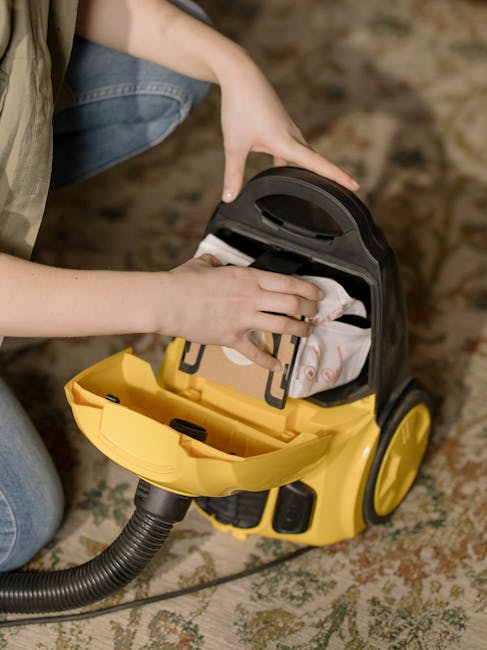
Narrow staircases punish overpacking. Instead of hauling every bottle you own, bring a small set of essentials. A compact caddy, a microfibre cloth, an all-purpose cleaner suitable for the surface, a vacuum with attachments, and maybe a soft brush. That's usually enough for most routine work.
3) Start high, then work down
Dust ledges, light fittings, shelf tops, picture rails, and cornices first. In a Victorian home, dust likes to sit above eye level and wait for a sunny beam to expose it. Then move to the mid-level surfaces, and finally floors and stairs. This keeps you from cleaning the same patch twice.
4) Treat stairways as a separate zone
Stairs collect the most grit and are often the first place a home starts to look tired. Hoover the edges, brush out the corners, and pay attention to the tread nose where dirt builds up. If the staircase is painted wood, use as little moisture as possible. Too much water and you are inviting swelling or flaky paint. No one wants that.
5) Give shared areas a separate tidy-up
If the maisonette has a communal entry or a shared inner stair, clean that after the private spaces so you are not walking dirt back and forth. This is especially useful in Hackney where older converted houses often have a mix of private and shared access. A quick sweep, wipe of hand contact points, and a check for marks near the door usually makes the biggest difference.
6) Finish with ventilation and a final pass
Open windows where safe and appropriate, especially after damp cleaning. In older properties, stale air can make a room feel dirtier than it is. Then do a final check in natural light. You will spot streaks on glass, dust on skirting, or a missed patch on the landing almost immediately.
If your maisonette also needs a broader reset, it can help to pair this process with a deep cleaning visit rather than relying only on weekly maintenance. For some households, that is the point where the work stops feeling never-ending.
Expert Tips for Better Results
Here are the small adjustments that make a surprisingly big difference.
- Use the right cloth for the right surface. Microfibre is great for dusting and light cleaning, but rough cloths can mark delicate paint or aged timber.
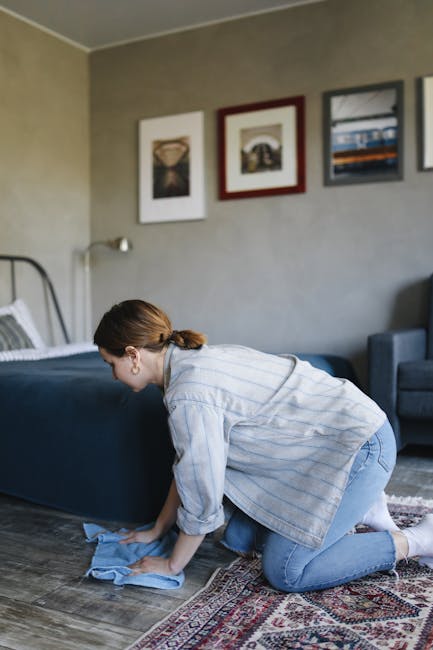
- Protect original floors. If you have old boards or heritage-style flooring, be careful with standing water. A slightly damp mop is safer than a wet one.
- Work with daylight. Morning or early afternoon light makes it easier to spot streaks, dust, and scuffs. Evening cleaning is fine, of course, but it hides a few sins.
- Keep one "stair kit." A small kit for the staircase and landing saves time. No need to keep hunting for the same brush every week.
- Clean handles and switches often. In maisonettes with narrow access, people touch the same points repeatedly. Door handles, bannisters, and light switches become the real high-traffic surfaces.
- Don't over-wet upholstery and curtains. Older fabrics, especially in homes with a bit of age and charm, can hold moisture and odour. Use gentler methods.
To be fair, the most expert tip is often the least glamorous one: clean little and often. A 10-minute landing reset beats a heroic four-hour overhaul that leaves you grumpy and sore. And yes, your knees will thank you.
If odours, pet mess, or stained patches are getting in the way, specific treatments are often better than general cleaning. Consider pet stain odour removal or stain removal when you need focused help rather than a broad tidy.
Common Mistakes to Avoid
Most problems in Victorian maisonette cleaning come from rushing, using the wrong product, or ignoring the access route. The building then reminds you, in its own stubborn way, that it has rules.
- Starting upstairs without clearing the entrance. You end up carrying dirt back through the place.
- Using too much water on wood. That includes stair treads, banisters, and old skirting boards.
- Forgetting the hidden dust zones. Corners, ledges, radiator tops, and behind doors are easy to miss.
- Leaving shared areas until the end of a long clean. By then you're tired, and it shows.
- Using a heavy vacuum on delicate stair carpets. It can be awkward and sometimes rough on the fibres.
- Skipping ventilation. Damp smell lingers if you close everything up too soon.
A common one in Hackney maisonettes is overloading the landing with bags, laundry baskets, shoes, and cleaning gear. It makes the whole upstairs feel smaller and messier than it is. Be slightly ruthless. If something does not need to live there, move it out. Sorted.
Tools, Resources and Recommendations
You do not need a full professional setup to keep a Victorian maisonette in good shape. But a few practical tools make cleaning much easier.
| Tool or approach | Best for | Why it helps |
|---|---|---|
| Microfibre cloths | Dusting, polishing, wiping surfaces | They lift dust well and are gentle on older finishes |
| Compact vacuum with attachments | Stairs, corners, skirting boards | Makes narrow access less awkward |
| Soft brush | Detailed areas, mouldings, tracks | Helps remove dust from delicate edges |
| Bucket and slightly damp mop | Hard floors | Good for old floors when used carefully |
| Small caddy | Routine cleans | Keeps everything together when moving floor to floor |
For some homes, it is also worth bringing in specialist support now and then. A periodic house cleaning service can handle the bits that are hardest to keep on top of, while regular cleaning works well if you want the property maintained week by week rather than rescued every few months. If the stairs are carpeted, add carpet cleaning into the mix for a deeper refresh.
And if the property has windows that look grimy from street dust or cooking residue, especially on upper floors, window cleaning is one of those jobs that instantly makes the flat feel better. Not exciting, but oddly satisfying.
Law, Compliance, Standards, or Best Practice
For most homeowners and renters, the key points are sensible care, safety, and respecting shared spaces. In UK homes, especially older ones, best practice usually means following manufacturer guidance on products, avoiding damage to surfaces, and not creating slip hazards on stairs or landings.
If a maisonette includes communal access, keep those areas clear and tidy. That is partly courtesy and partly common sense. Wet floors, leftover packaging, and clutter in stairwells are a nuisance and a safety risk. If cleaners or residents are moving equipment through shared access, care is especially important. Slippery steps and blocked routes are never worth the shortcut.
It is also sensible to check building-specific arrangements before scheduling any work. Some maisonettes have lease rules, landlord expectations, or shared maintenance responsibilities. If you are unsure, keep communication simple and written where needed. Nothing fancy. Just enough to avoid arguments later.
For service users, trust matters too. If you are choosing outside help, it is reasonable to look for clear policies around safety, payments, and complaints. The site's health and safety policy, insurance and safety information, and terms and conditions can help set expectations before any booking. That kind of clarity is worth its weight in time saved.
Options, Methods, or Comparison Table
Different maisonettes need different levels of attention. Here's a simple comparison to help you choose the right approach.
| Method | Best for | Strengths | Watch-outs |
|---|---|---|---|
| Routine self-cleaning | Weekly upkeep and quick resets | Cheap, flexible, easy to maintain | Can miss hidden dust and deep grime |
| One-off deep clean | Seasonal refresh or neglected areas | Stronger result in one visit | Needs time, prep, and realistic expectations |
| Regular cleaning service | Busy households or rented homes | Keeps standards stable and predictable | Requires ongoing budget and scheduling |
| Specialist cleaning for carpets, upholstery, or odours | Stained, tired, or heavily used soft furnishings | Targets problem areas more effectively | Not a substitute for general tidying |
In many Hackney maisonettes, the best answer is a mix rather than a single solution. A bit of routine cleaning, occasional specialist help, and clear access planning usually beats trying to do everything in one exhausting go. That's the realistic version, anyway.
Case Study or Real-World Example
Imagine a two-storey Victorian maisonette in Hackney with a narrow front hall, carpeted stairs, a small landing, and a shared entrance. The owners had been keeping up with the obvious stuff, but the home still felt dusty and slightly tired. The main frustration was access: cleaning tools were bulky, the stairs picked up grit from shoes, and the landing collected coats, bags, and bits of daily life.
The fix was not dramatic. First, the entrance area was cleared and wiped every week so dirt stopped spreading. Second, a small cleaning caddy replaced the oversized basket of products that kept getting lugged up and down the stairs. Third, the staircase was treated as its own zone, with weekly vacuuming and occasional deeper treatment for the carpet. Finally, the living room fabrics and hallway touchpoints got special attention.
After that, the home felt easier. Not perfect. Real homes never are. But easier. The space looked brighter, the stairs felt less gritty underfoot, and cleaning took less time because the process was no longer fighting the layout.
That's the pattern we see most often with older Hackney maisonettes: the win comes from organisation, not brute force.
Practical Checklist
Use this before each proper clean or when you are preparing a maisonette for guests, tenants, or a fresh start.
- Clear the entrance and staircase of loose items.
- Check for sticking doors, awkward catches, or trip hazards.
- Gather only the products and tools you actually need.
- Dust high points first: ledges, rails, and light fittings.
- Vacuum stairs, corners, and skirting edges carefully.
- Use minimal moisture on wood and painted finishes.
- Clean handles, switches, and other touchpoints.
- Refresh fabrics, carpets, or mattresses if odours or stains are lingering.
- Ventilate rooms after damp cleaning where safe to do so.
- Finish with a quick daylight inspection.
If you want broader upkeep support, it may be worth pairing your routine with domestic cleaning for the day-to-day basics or one-off cleaning when things have built up and need a reset. Different situations, same goal: get the home feeling manageable again.
Conclusion
Victorian maisonette access and cleaning in Hackney is really about respecting the building while making life easier for the people who live in it. Get the access right, and the cleaning becomes less of a battle. Work with the layout, keep the shared spaces under control, and use the right method for the right surface. Simple, but not always easy.
The best results usually come from small habits: tidy entryways, careful stair cleaning, sensible tools, and the occasional deeper refresh when the property needs it. That is how these homes stay welcoming without losing the charm that made you like them in the first place.
Get a free quote today and see how much you can save.
If you are weighing up a bigger clean or just want a bit of guidance before booking, take a look at the company's about us page and contact us page for a straightforward next step. No drama. Just a cleaner home and a slightly easier week ahead.
Frequently Asked Questions
What makes Victorian maisonette access harder to clean around?
Usually it's the narrow stairs, compact hallways, shared entrances, and older features that need gentler handling. The challenge is less about the cleaning itself and more about moving around without making a mess or damaging surfaces.
How often should a Victorian maisonette in Hackney be cleaned?
Weekly routine cleaning is a good baseline for most homes, with deeper attention to stairs, carpets, and shared areas every so often. Busy households or rented properties may need more frequent upkeep.
What is the best way to clean stairs in a Victorian maisonette?
Start by removing loose grit, then vacuum the edges and corners carefully. If the stairs are painted wood, use minimal moisture. If they are carpeted, focus on regular vacuuming and occasional deeper cleaning.
Are shared hallways and stairwells included in maisonette cleaning?
They should be, if they are part of the access route or shared with neighbours. These areas are often the first place dirt builds up, and they affect how the whole property feels.
Should I use professional cleaning for an old Victorian maisonette?
It depends on the condition of the property and how much time you want to spend on upkeep. Many people handle routine cleaning themselves and bring in professional help for deep cleans, carpets, upholstery, or end-of-tenancy work.
Is steam cleaning safe for older carpets and stairs?
It can be, but it depends on the fibre, backing, and condition of the carpet. Older or delicate materials should be checked carefully first. When in doubt, a more cautious approach is better than soaking the fibres.
What cleaning products are safest for Victorian interiors?
Gentle, surface-appropriate products are usually the safest choice. Avoid harsh chemicals on painted wood, delicate trim, and older finishes unless you know they are suitable. Test in a small area if you are unsure.
How do I stop dust coming back so quickly?
Focus on the high and hidden spots: ledges, skirting, radiator tops, and stair corners. Regular vacuuming, microfibre dusting, and keeping entrance areas tidy all help slow the build-up.
Can cleaning be done without disturbing neighbours?
Yes, if you plan it well. Keep noise down where possible, avoid blocking shared access, and clean communal areas promptly so dirt and equipment are not left out.
What should I do before a move-out clean in a maisonette?
Clear belongings first, check stair edges and entrance areas, and decide whether carpets, upholstery, or appliances need separate attention. A proper move out cleaning approach is usually more efficient than trying to do everything piecemeal.
How do I know if I need stain or odour treatment as well?
If a room still smells musty after cleaning, or if stains keep showing through, targeted treatment is likely needed. That is especially common in older homes with carpets, sofas, or pets.
What is the biggest mistake people make with maisonette cleaning?
Trying to do everything in the wrong order. If the entrance, stairs, and shared areas are not managed first, dirt just gets moved around. Once you stop fighting the layout, the whole job becomes easier.