Carpet Cleaning
 Upholstery Cleaning
 End Of Tenancy Cleaning
 Domestic Cleaning
 House Cleaning
 Office Cleaning


Sofa cleaning near Hackney Wick station
Posted on 06/06/2026
Sofa cleaning near Hackney Wick station: a practical local guide for fresher, healthier upholstery
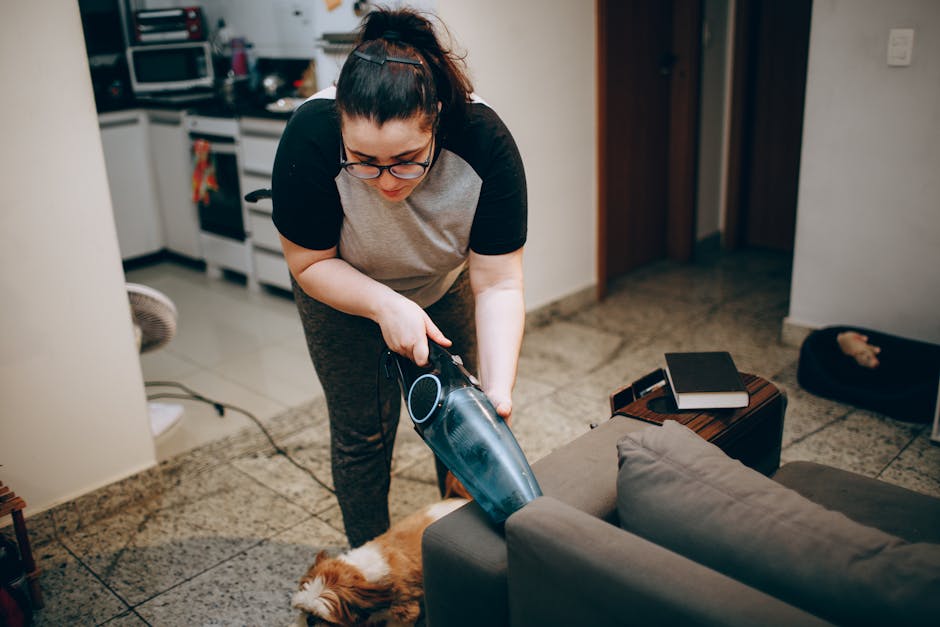
If you are looking for sofa cleaning near Hackney Wick station, you are probably dealing with one of three things: a spill that has become a permanent-looking shadow, a sofa that smells a bit "lived in", or upholstery that just looks tired no matter how much you vacuum. Truth be told, sofas in busy London homes take a beating. Pets jump on them, trainers come off by the door, takeaway nights happen, and suddenly the armrest looks like a different colour to the rest of the suite.
This guide walks you through what sofa cleaning actually involves, how to choose the right approach, what to expect from a professional visit, and how to avoid the little mistakes that can turn a simple clean into a costly repair. You will also find a checklist, a comparison table, and a few local-minded tips that make decision-making a lot easier. If you want a broader look at the services that support this kind of work, you can also explore the services overview or read more about upholstery cleaning in Hackney.
Near Hackney Wick station, homes and workspaces tend to see a lot of foot traffic. That means sofas often need more than a quick once-over with a handheld vacuum. They need a proper method, sensible product choice, and a bit of judgement. Not every stain should be attacked the same way. Not every fabric behaves the same. And not every "quick fix" from the internet is your sofa's friend.
Why Sofa cleaning near Hackney Wick station Matters
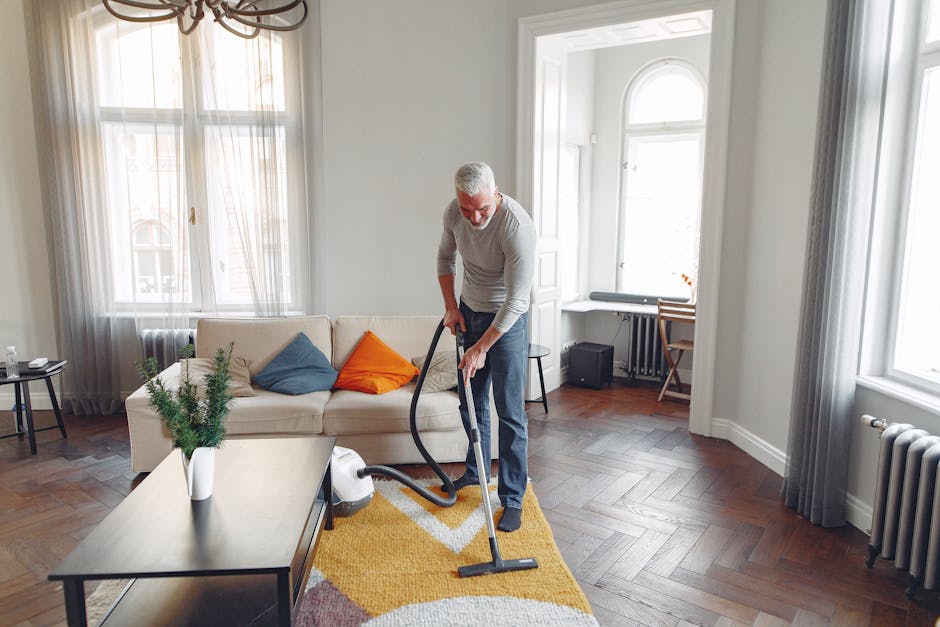
A sofa is one of the hardest-working items in any home. It is where people sit with coffee, where children sprawl out after school, where the dog sneaks up despite being told not to, and where guests naturally gather. In a lively part of East London like Hackney Wick, that daily use adds up quickly.
Cleaning matters for more than appearances. Fabric and filling can trap dust, crumbs, body oils, smoke residue, pet dander, and moisture. If left alone for too long, these build-ups can make a sofa look dull and feel unpleasant. They can also make localised stains harder to lift later. The sooner a problem is dealt with, the more likely it is that the fabric can be restored cleanly rather than aggressively.
There is also the practical side. If you are moving home, preparing for an inspection, or refreshing a rented property, upholstery can shape how a room feels at first glance. A clean sofa makes a room feel cared for. A grubby one does the opposite, even if everything else is spotless. That first impression matters. You notice it the moment you walk in.
Another reason is fabric longevity. Many people assume sofas only need cleaning when they are visibly dirty, but regular maintenance helps protect fibres and finishes. Dirt particles can rub against fabric over time, making wear more obvious. That is especially true on lighter colours and textured weaves.
For local households, one of the most common realities is mixed use: family sofa by day, dining spot by night, overflow desk seating in the morning. That is normal. It just means your cleaning approach needs to be realistic rather than idealised.
How Sofa cleaning near Hackney Wick station Works
Professional sofa cleaning usually starts with a fabric check. This sounds basic, but it is the bit that stops a lot of damage. The cleaner identifies the upholstery type, inspects the care label where possible, looks for colour transfer risk, and tests a small hidden area before doing anything major. Different fibres respond differently to moisture, heat, agitation, and detergents.
From there, the method depends on the material and the soil level. Common approaches include dry soil removal, pre-treatment of marks, hot water extraction for suitable fabrics, low-moisture cleaning for more delicate upholstery, and spot treatment for isolated stains. A proper clean is never just "spray and scrub". If that is the whole plan, it is a bit of a gamble.
For many sofas, the process can include:
- careful vacuuming to remove loose debris
- stain inspection and fibre testing
- pre-spray or targeted treatment
- gentle agitation where appropriate
- extraction or controlled cleaning with minimal residue
- final grooming and drying advice
Drying is often overlooked. In reality, the clean is not fully finished until the fabric has dried properly. That is why technicians usually advise ventilation and avoiding heavy use straight away. Open a window if you can. In a compact flat, even a small bit of airflow makes a difference.
When you are choosing a provider, it helps to ask what method they use and why. A knowledgeable cleaner should be able to explain the reason in plain English. If the answer is vague, that is not ideal. You do not need jargon; you need judgement.
Key Benefits and Practical Advantages
The obvious benefit is visual. A sofa that has been properly cleaned usually looks brighter, more even in colour, and more inviting. But the less visible benefits are just as useful.
- Freshens the room: Sofas hold odours from everyday life, especially in open-plan homes.
- Improves comfort: Clean fabric feels better to use, especially if crumbs, grit, or sticky residue have built up.
- Supports better hygiene: Regular upholstery cleaning helps reduce the build-up of dust and allergens trapped in soft furnishings.
- Protects your investment: A quality sofa is expensive to replace, so maintenance often makes more sense than rushing into a new purchase.
- Helps with moving or letting: If you are preparing a property, clean upholstery can help the whole place present more professionally.
There is also a psychological effect that people do not always mention. A clean sofa changes how a home feels. It can make you more willing to sit down, relax, and enjoy the space. It sounds small, but it really is not. The sofa is often the room's anchor.
For landlords, tenants, and owners alike, upholstery care can also reduce the number of awkward "is that stain new?" conversations. You know the sort. Nobody enjoys them.
Who This Is For and When It Makes Sense
Sofa cleaning near Hackney Wick station makes sense for a wide range of people, not just homeowners with a single obvious stain.
- Tenants: Useful before moving out, or after a long stretch of everyday use.
- Landlords and letting agents: Helps keep a property presentable between occupancies.
- Families: Especially if kids, pets, or regular visitors mean the sofa rarely gets a quiet life.
- Remote workers: Sofas double as workspaces these days. Lunch, laptop, tea, repeat.
- Office and studio spaces: Waiting areas, breakout rooms, and reception seating benefit from regular care. If you need a broader commercial clean, the office cleaning in Hackney page is useful context.
It also makes sense after a specific event: a spilled drink, a party, a pet accident, or a heating issue that left fabric smelling slightly damp. If a stain is fresh, acting quickly is better than hoping it disappears on its own. It rarely does.
And if you are unsure whether the whole sofa needs professional cleaning, a partial spot clean may not be enough. If several areas show wear, it is usually more effective to treat the entire piece so the result looks even.
Step-by-Step Guidance
If you want a sensible route to better results, start here. This is the practical version, not the idealised brochure version.
- Identify the fabric. Check any label or care instructions. Cotton blends, synthetics, wool mixes, velvet, and leather all need different handling.
- Inspect the damage. Look at stains, smells, wear patterns, and any fading. Make notes before you start.
- Vacuum thoroughly. Use a suitable upholstery attachment and get into seams, cushions, and under folds.
- Test a hidden area. This step matters more than people think. A small patch test can save a lot of trouble.
- Choose the method. Decide whether the sofa needs extraction, low-moisture cleaning, a targeted stain treatment, or just maintenance.
- Treat marks carefully. Blot, do not rub. Rubbing can spread the stain or rough up the fibre.
- Work section by section. This keeps the clean controlled and helps avoid uneven results.
- Dry properly. Use ventilation and avoid sitting on the sofa until it is ready. Patience, annoying as it is, pays off.
If you are hiring help, ask how they handle delicate fabric and what happens if a sofa turns out to be more sensitive than expected. A competent cleaner will adjust the approach, not bulldoze ahead. That sort of flexibility is the difference between a neat result and a headache.
A practical note: if your sofa is a modular design, ask whether the technician will clean individual sections off the frame or in place. The answer affects access, drying, and finishing quality.
Expert Tips for Better Results
Over time, a few simple habits make sofa cleaning much easier. None of them are glamorous, but they work.
- Vacuum before stains set in. Dry debris is easier to remove than compacted grime.
- Blot spills immediately. Use a clean white cloth where possible so you can see what is coming off.
- Rotate cushions regularly. This helps reduce uneven wear and flattening.
- Avoid over-wetting. Too much water can push dirt deeper or leave stubborn marks at the edges.
- Keep food and drinks in mind. Sounds obvious, but a little caution saves a lot of cleaning later.
One useful professional habit is to think in terms of the cause, not just the mark. A ring stain may mean too much moisture was used at some point. A greasy patch may be from skin oils or food contact. A grey cast on armrests is often simply heavy handling over time. Once you understand the pattern, you can clean more intelligently.
Another tip: if you have a fabric sofa near a radiator or strong sunlight, watch for drying and fading patterns. A sofa can age unevenly for reasons that have nothing to do with dirt. That can be a bit frustrating, but it helps explain why some areas look worse than others.

Common Mistakes to Avoid
The biggest mistake is using the wrong cleaner on the wrong fabric. A product that works on synthetic upholstery may be too harsh for a delicate weave or a natural fibre. Always test first. Always.
Here are the other common slip-ups we see far too often:
- Scrubbing stains aggressively: This can spread the stain and damage the surface texture.
- Using too much product: More cleaner does not mean better cleaning. It often means more residue.
- Skipping drying time: Using the sofa too soon can flatten the pile and attract fresh dirt.
- Ignoring the edges of stains: Those faint outer rings matter; they often reappear if not treated properly.
- Assuming all sofas are the same: They absolutely are not.
One slightly underrated mistake is trying to clean only the visible stain and leaving the surrounding fabric untouched. You end up with a patch that looks cleaner than the rest of the sofa, which can be just as distracting. Sometimes the goal is not just removal, but evenness.
And yes, the old "I'll sort it later" approach is usually expensive in the long run. Not dramatic. Just true.
Tools, Resources and Recommendations
You do not need a room full of specialist kit to keep a sofa in good shape, but the right tools help a lot.
- Upholstery attachment vacuum: For regular maintenance and crevice cleaning.
- Microfibre cloths: Useful for blotting spills and lifting surface residue.
- Soft brush: Helps with light agitation on suitable fabrics.
- Fabric-safe stain treatment: Always chosen with the sofa material in mind.
- Airflow: Simple, underrated, and often the fastest way to improve drying.
For anyone comparing services, look for clear explanations of process, realistic expectations, and transparent pricing information. The pricing and quotes page is a useful place to start if you want to understand how quotes are typically approached. If you want to see how the business presents itself more broadly, the about us page and customer reviews can also help you judge trust and fit.
In a practical sense, a good cleaning choice is one that balances fabric safety, turnaround time, and budget. Not necessarily the cheapest. Not necessarily the most complicated. Just the one that fits the sofa in front of you.
Law, Compliance, Standards, or Best Practice
Sofa cleaning itself is not usually a highly regulated consumer activity in the way that some trades are, but good providers should still follow sensible UK business and safety practices. That means being careful with chemicals, respecting client property, and handling electrical equipment responsibly where machines are used.
For domestic and commercial visits, best practice typically includes:
- using products according to manufacturer guidance
- taking reasonable care around fabrics, flooring, and nearby furnishings
- providing clear expectations before work starts
- being honest if a stain is likely to be permanent
- operating with sensible insurance and safety procedures
If you are a tenant, landlord, or managing agent, it is also wise to keep records of what has been cleaned and when, especially at the end of a tenancy. That helps avoid confusion later. For broader move-out planning, the end of tenancy cleaning in Hackney page may be useful alongside upholstery care.
Safety matters too. Strong cleaning products, wet floors, and plugged-in equipment all need basic caution. A reputable company should have a sensible approach, and if you want to understand how a provider thinks about it, the health and safety policy and insurance and safety pages are worth a look.
Options, Methods, or Comparison Table
Different sofas need different approaches. Here is a straightforward comparison that helps with the decision-making.
| Method | Best for | Pros | Things to watch |
|---|---|---|---|
| Vacuum-only maintenance | Light upkeep, dust, crumbs, surface refresh | Fast, low risk, affordable | Will not remove deep stains or odours |
| Spot treatment | Small isolated marks | Targets the problem area, minimal disruption | Can leave patches if the surrounding area is dirty too |
| Hot water extraction | Many fabric sofas with general soiling | Strong cleaning power, good for deeper refresh | Not suitable for every fabric; drying time matters |
| Low-moisture cleaning | Delicate fabrics or situations needing faster drying | Less water, reduced drying time | May not be enough for heavy grime |
| Deep professional upholstery clean | Heavily used sofas, mixed stains, odours, move-outs | Most thorough, best for balanced results | Needs correct inspection and method selection |
If your sofa is part of a wider property refresh, it may make sense to combine it with other services. For example, some households pair upholstery care with domestic cleaning in Hackney or even house cleaning to get the whole place feeling properly reset. That is often more satisfying than doing one room at a time and hoping for the best.
Case Study or Real-World Example
Imagine a two-bedroom flat not far from Hackney Wick station. The living room sofa has a faint coffee mark on one cushion, a darkened armrest from daily use, and a slightly stale smell that is hard to place. Nothing dramatic. Just a sofa that has done its duty a little too well.
Instead of trying to attack the coffee mark straight away, the cleaner would usually inspect the fabric, check whether the sofa is colourfast, and test a hidden section first. The armrests might need more attention because they hold body oils and repeated contact. The visible coffee stain may be older than it looks, which means it might need a careful pre-treatment rather than a quick spray.
After a controlled clean and proper drying, the sofa would likely look more even overall. The point is not perfection. Real-life furniture rarely becomes showroom-new. But it can look much fresher, smell better, and feel like part of the room again rather than something you want to cover with a blanket.
That is often the sweet spot for sofa cleaning: not magical, just genuinely useful.
Practical Checklist
Use this simple checklist before booking or starting a clean:
- Check the sofa material and care instructions
- Identify stains, odours, and wear areas
- Decide whether a spot clean or full clean makes more sense
- Ask about the method being used
- Confirm how long drying is likely to take
- Move fragile items away from the working area
- Vacuum loose debris before the appointment if possible
- Keep pets and children away during treatment and drying
- Ventilate the room afterwards
- Do not place throws or cushions back until the fabric is ready
Expert summary: The best sofa clean is not the most aggressive one. It is the one that matches the fabric, the soil level, and the drying conditions in your home. If those three things line up, the result is usually calmer, cleaner, and far less risky.
If you are still comparing options, take a moment to look at the wider carpet cleaning in Hackney page as well, especially if the sofa is part of a bigger refresh. A lot of people realise, halfway through, that the rug and carpets are not helping the room either. Happens all the time.
Get a free quote today and see how much you can save.
Conclusion
Sofa cleaning near Hackney Wick station is really about making a busy, well-used piece of furniture feel right again. Whether you are dealing with a mark from last Friday night, a sofa that has slowly dulled over the years, or a property that needs to present better, the key is choosing a method that fits the fabric and the situation.
Good cleaning is careful, not rushed. It considers fibres, stains, drying, and the way the sofa is actually used. That practical mindset saves time, money, and a fair bit of stress. And honestly, that is what most people want: a sofa that looks fresh, smells cleaner, and lets the room breathe again.
Keep it simple, ask the right questions, and do not ignore the early signs. A small bit of attention now can spare you a much bigger job later. One clean sofa can change the feel of a whole room.
And sometimes that is enough to make home feel like home again.